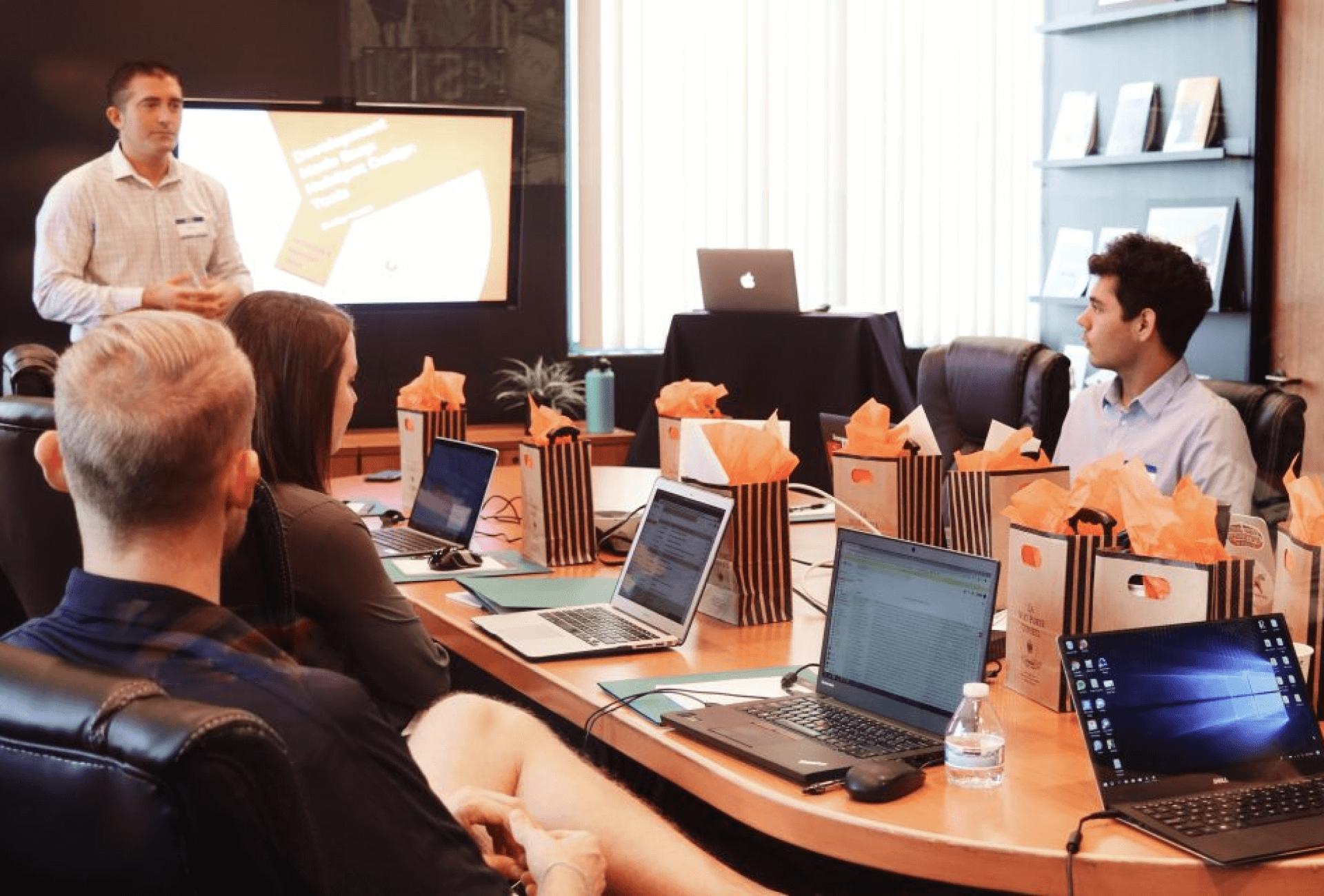
We cherry pick and Hire our consultants who are already proficient in Devops Toolsets and further help them to improve their skills and we ensure our Consultants serve your unique devops/Cloudops/Cloud Security roles at your Organizations.
Hiring and Onboarding
Hire experienced professionals: Recruit consultants with a proven track record in DevOps, including experience with relevant tools and practices. We use Linkedin as our topmost tool to verify the candidates previous work history and expertise in Devops, DevSecops, Gitops, AIops, Mlops tools.
Conduct thorough interviews: Assess candidates’ knowledge, problem-solving skills, and real-world experience through technical interviews and practical exercises.
Onboarding process: Implement a comprehensive onboarding process that includes training, introduction to company methodologies, and tools and technologies commonly used in your projects.
Continuous Learning and Certification
Encourage continuous learning: Foster a culture of learning within your organization. Support consultants in keeping up with the latest trends and technologies in DevOps.
Certifications: Promote relevant certifications (e.g., AWS Certified DevOps Engineer, Certified Kubernetes Administrator) and provide resources to help consultants obtain them.
We make sure our Consultants go through Rigorous Training Projects using latest toolsets in the Market. Our 100 Days in Devops will ensure our consultants are acquainted with all required skillsets to succeed in their roles
Week 01
Introduction
Day 1-2: DevOps Principles & Philosophy Day 3-4: Benefits of DevOps Day 5-7: DevOps Tools & Technologies
Week 02
Linux Basics
Day 8-10: Linux Filesystem & Commands Day 11-14: Shell Scripting & Automation
Week 03
Networking Fundamentals
Day 15-17: OSI Model & Networking Basics Day 18-21: Network Protocols & Tools
Week 04
Version Control with Git
Day 22-24: Basic Git Commands Day 25-28: Branching & Merging
Week 05
Python for DevOps
Day 29-31: Python Basics & Syntax
Day 32-35: Python Libraries for Automation
Week 06
Tools and Artifact Management
Day 36-38: Introduction to Maven
Day 39-41: Maven Lifecycle & Dependencies
Day 42: Introduction to Artifactory &JFrog
Week 07
Continuous Integration and Code Quality
Day 43-44: Introduction to Jenkins Day 45-46: Jenkins Pipelines & Best Practices with Maven and Artifactory Day 47-49: Introduction to SonarQube & Code Quality Metrics
Week 08
Containerization with Docker
Day 50-52: Docker Basics
Day 53-56: Docker Compose & Swarm
Week 09
Kubernetes
Day 57-59: Kubernetes Basics Day 60-63: Deployments, Services, & Ingress
Week 10
Infrastructure as Code
Day 64-66: Introduction to Terraform Day 67-70: Terraform Modules & Best Practices
Week 11
Configuration Management
Day 71-73: Ansible Basics Day 74-77: Ansible Playbooks & Roles
Week 12
Monitoring & Logging
Day 78-80: Introduction to Prometheus & Grafana Day 81-84: ELK Stack (Elasticsearch, Logstash, Kibana)
Week 13
Advanced Networking & Monitoring Tools
Day 85-87: Nagios & Zabbix Introduction Day 88-91: VPNs, Load Balancers, & Proxies
Week 14
Security in DevOps (DevSecOps)
Day 92-94: Secure Coding & Deployment Day 95-98: Security Scanning & Compliance
Week 15
Wrap-up & Next Steps
Day 99: DevOps Case Studies Day 100: Celebration & What’s Next in DevOps
At Devopsjobs360 we have real-time projects. These projects will aid an entry-level and advanced-level DEVOPS ENGINEER. We will make sure our consultants complete these Real time projects before we place the consultants in the US,Canada,India, UK, Australia Markets.
Mentoring and Knowledge Sharing
Mentorship programs: Pair junior consultants with experienced mentors to accelerate their learning and provide guidance.
Internal knowledge sharing: Organize regular internal knowledge-sharing sessions, where consultants can present their findings, experiences, and best practices.
Create a Mentorship Program
Fostering a culture of mentoring and knowledge sharing in a DevOps consultancy company is essential for professional development and maintaining a strong team.
Establish a formal mentorship program: Pair experienced DevOps consultants with junior team members or those looking to develop specific skills.
Define clear objectives: Ensure that both mentors and mentees understand their roles, responsibilities, and the goals of the mentorship.
Designate Knowledge Sharing Sessions
Regular meetings: Schedule periodic knowledge-sharing sessions within your team or department. These can be weekly or monthly.
Topics of interest: Encourage team members to present on topics they are passionate about or have expertise in.
Keep it interactive: Foster an environment where questions, discussions, and practical demonstrations are welcome.
Utilize Collaboration Tools
Collaboration platforms: Use tools like Slack, Microsoft Teams, or dedicated knowledge-sharing platforms to facilitate discussions, share resources, and ask questions.
Dedicated channels: Create dedicated channels or spaces for knowledge sharing and discussions within these platforms.
Documentation and Knowledge Repositories
Create a knowledge base: Maintain a central repository for documentation, best practices, and solutions to common problems.
Encourage contributions: Encourage team members to contribute to and update the knowledge base.
Internal Workshops and Training
Conduct internal workshops: Organize hands-on workshops and training sessions to teach specific skills, tools, or technologies.
Peer-led training: Allow team members to lead these sessions, providing opportunities for them to share their expertise.
Cross-Functional Teams
Form cross-functional teams: Promote collaboration among team members from different specialties, such as development, operations, and security.
Encourage knowledge sharing between these teams to foster a holistic approach to DevOps.
Mentorship Circles
Create mentorship circles: A mentorship circle involves multiple mentors and mentees, offering different perspectives and opportunities for learning.
Rotate participants: Rotate members periodically to broaden experiences and knowledge.
Hackathons and Challenges
Organize hackathons: Encourage team members to participate in hackathons or challenges where they can learn, collaborate, and innovate.
Acknowledge and reward: Recognize and reward outstanding contributions.
Learning Objectives
Set learning objectives: Encourage team members to set personal and professional development goals. Mentors can help them achieve these objectives.
Feedback and Improvement
Collect feedback: Regularly gather feedback from team members on the effectiveness of mentoring and knowledge-sharing initiatives.
Adapt and evolve: Use feedback to continuously improve these programs.
Recognition and Rewards
Acknowledge contributions: Recognize and reward team members who actively participate in mentoring and knowledge sharing.
Celebrate success: Highlight achievements and milestones within your organization.
Lead by Example
Leadership involvement: Encourage senior leadership to actively participate in mentoring and knowledge sharing, setting an example for the entire team.
Devopsjobs360 we are top content provider for Devops, Cloudops, Cloud Security through our Youtube channel run by our CEO Sasi M at https://www.youtube.com/@DevopsFacts where we upload Videos related to Kubernetes, Docker, Argocd, Helm, Jenkins, AWS, Azure, GCP , Terraform etc
Cross-Training
Encourage cross-training: Enable consultants to explore other areas of expertise within DevOps. This can lead to a more well-rounded skillset.
Rotate roles: Allow consultants to gain experience in different aspects of DevOps, such as automation, CI/CD, cloud platforms, or security.
Real-World Projects
Hands-on experience: Assign consultants to real-world projects that challenge and expand their skills. Learning by doing is often the most effective way to gain proficiency.
Multifaceted projects: Diversify the types of projects your consultants work on to ensure they gain exposure to a wide range of scenarios.
Regular Assessments
Periodic skill assessments: Conduct regular assessments to gauge consultants’ skill levels and identify areas for improvement.
Constructive feedback: Provide constructive feedback to help consultants understand their strengths and areas that need development.
Community Involvement
Participate in the DevOps community: Encourage consultants to attend conferences, meetups, and forums to connect with other experts in the field and stay updated on industry trends.
Tool and Technology Evaluation
Keep up with the latest tools and technologies: Evaluate new DevOps tools and technologies and incorporate them into your consultancy’s skill development plans as needed.
Performance Metrics
Establish clear performance metrics: Set key performance indicators (KPIs) to track the development and proficiency of your consultants.
Client Feedback
Client feedback: Continuously gather feedback from clients to assess the quality of your consultants’ work and identify areas for improvement.
Professional Development Budget
Allocate a budget: Allocate resources for consultants’ professional development, including training, courses, conferences, and certifications.
By implementing these practices, you can ensure that our DevOps consultants have the necessary skillsets and are well-equipped to meet the evolving needs of your clients in the DevOps space.